Software Studios' Strategies for Linking Secure Transactions with Protection Tools in Portable Prize Experiences
Kai Otto · Aug 22, 2026

Software Studios' Strategies for Linking Secure Transactions with Protection Tools in Portable Prize Experiences
Software studios have developed integrated approaches that connect secure transaction systems directly with player protection mechanisms in mobile applications offering prize-based experiences, and these methods rely on layered encryption alongside automated verification processes that operate in tandem across platforms. Data from industry reports indicate that transaction volumes in portable prize environments reached significant levels by mid-2025, with studios focusing on seamless linkages between payment gateways and fraud detection layers to maintain operational continuity while addressing compliance requirements across multiple jurisdictions.
Core Components of Transaction Security in Mobile Prize Systems
Developers incorporate end-to-end encryption protocols that secure data flows from user devices to backend servers, while embedding tokenization techniques that replace sensitive payment details with unique identifiers during each session. Studies from research institutions show that such measures reduce interception risks in wireless environments, and studios often pair these with multi-factor authentication sequences that trigger additional checks when transaction patterns deviate from established user baselines. Observers note that this combination allows real-time processing without introducing delays that could affect user engagement in time-sensitive prize activities.
Payment integration frameworks from providers like those adhering to PCI DSS standards form the foundation, yet studios extend these by adding custom monitoring scripts that flag anomalies such as rapid successive withdrawals or location mismatches. According to figures from the Australian Communications and Media Authority, mobile transaction security incidents dropped in regions where these enhanced linkages were implemented, and the patterns suggest broader adoption trends heading into 2026.
Protection Tools and Their Direct Linkages to Transactions
Protection mechanisms include spending limit enforcers and age verification modules that activate automatically when a transaction request enters the system, creating a unified pipeline where security and safeguards operate as interdependent elements rather than separate functions. Software teams design APIs that allow protection tools to query transaction histories instantaneously, enabling interventions such as temporary holds or additional identity confirmations before funds move. Research indicates that this linkage minimizes exposure windows, and one documented implementation involved studios routing all prize redemptions through a central verification hub that cross-references both financial and behavioral data points.
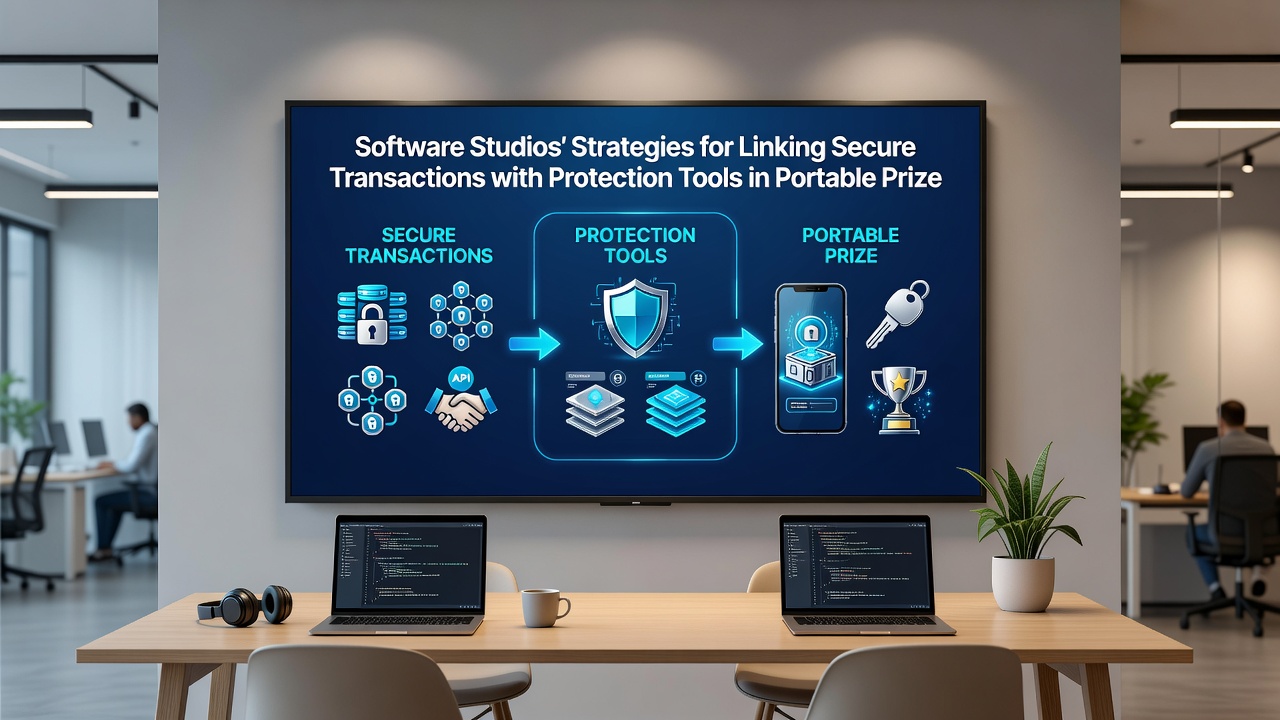
Behavioral analytics engines contribute by tracking session durations and interaction frequencies, feeding results into the same decision trees that govern transaction approvals. Those who've examined deployment logs report that studios achieve this through modular code structures, allowing updates to protection parameters without disrupting core payment flows. In August 2026, new interoperability guidelines from the European Committee for Standardization are scheduled to take effect, prompting studios to refine these connections further for cross-border prize experiences.
Implementation Approaches Across Development Teams
Leading studios employ agile methodologies to test transaction-protection linkages in simulated environments before full rollout, using A/B testing frameworks that compare isolated security setups against fully integrated versions. Data shows improved compliance rates when teams incorporate feedback loops from regulatory bodies in Canada and Australia, where mobile prize applications face specific disclosure rules. Experts have observed that cloud-based orchestration tools help synchronize these elements across device types, ensuring consistent performance whether users access experiences via iOS or Android ecosystems.
Case examples reveal studios collaborating with third-party security vendors to embed machine learning models that predict potential misuse based on transaction velocity combined with protection triggers. This approach allows proactive adjustments, and reports from the National Institute of Standards and Technology highlight measurable reductions in unauthorized access attempts following such integrations. Studios maintain audit trails that log every interaction between the transaction layer and protection components, supporting post-incident reviews and iterative improvements.
Regulatory Influences on Strategy Development
Government agencies in various regions have issued frameworks that encourage or require explicit connections between financial security measures and player safeguards in portable environments, leading studios to prioritize these linkages during initial architecture planning. Compliance documentation often references metrics such as verification success rates and transaction approval times, which developers track through dedicated dashboards. The reality is that evolving standards continue to shape technical choices, with August 2026 marking a point where updated reporting protocols may standardize certain data-sharing practices between studios and oversight entities.
Conclusion
Software studios continue refining strategies that bind secure transaction processes with protection tools, producing systems where each component reinforces the other through shared data pathways and automated responses. Evidence from ongoing implementations demonstrates sustained focus on these connections as portable prize experiences expand, with technical and regulatory factors guiding further refinements in the years ahead.